
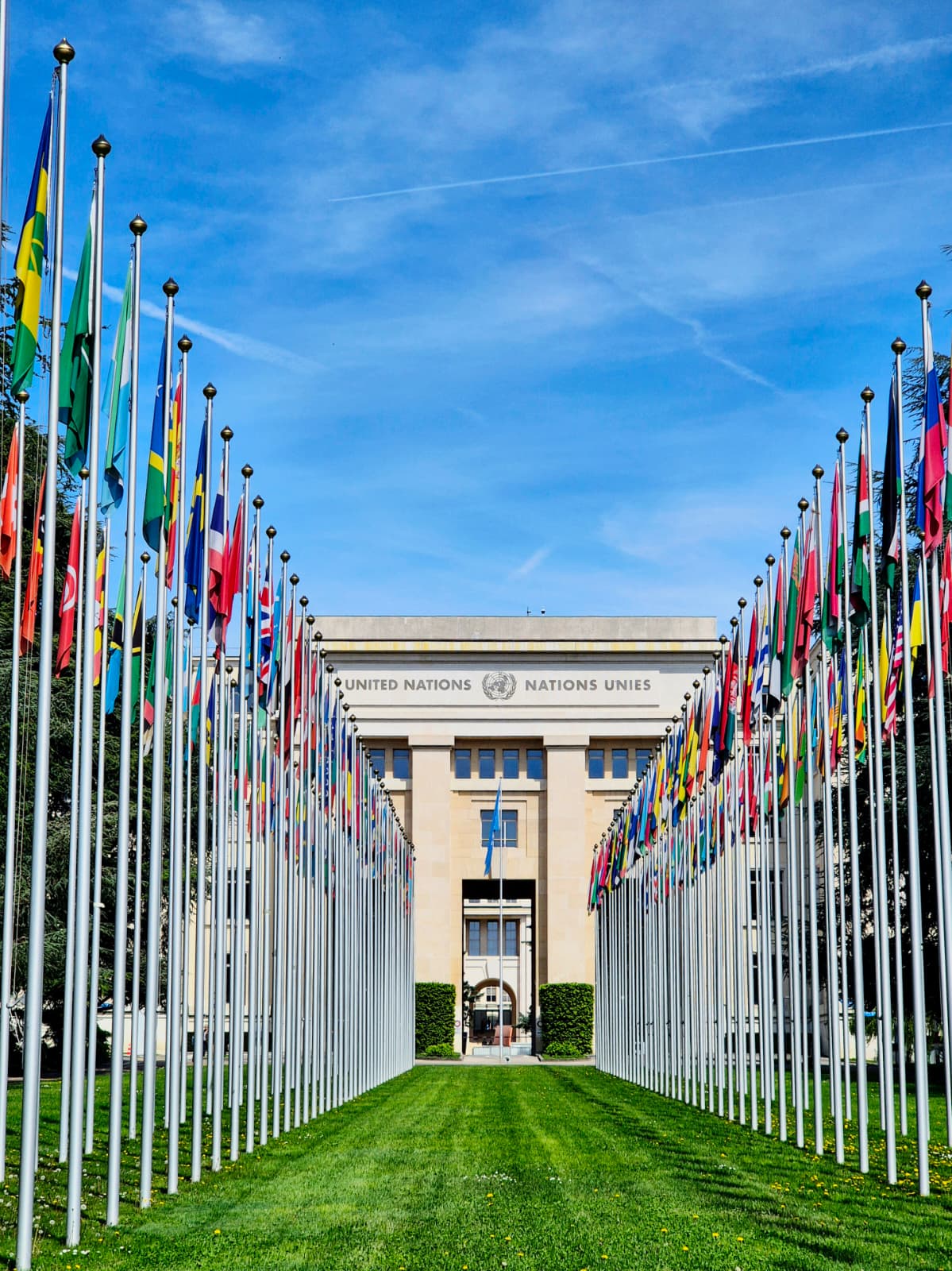
The United Nations was founded on a promise: that collective security and multilateral cooperation could prevent the recurrence of global conflict after the devastation of the World War II.
Nearly eight decades later, that promise remains both essential and deeply challenged.
The UN operates within a fundamentally contradictory reality: it is designed to promote peace and cooperation, yet it functions within an international system still defined by power asymmetries, national interests and geopolitical competition.
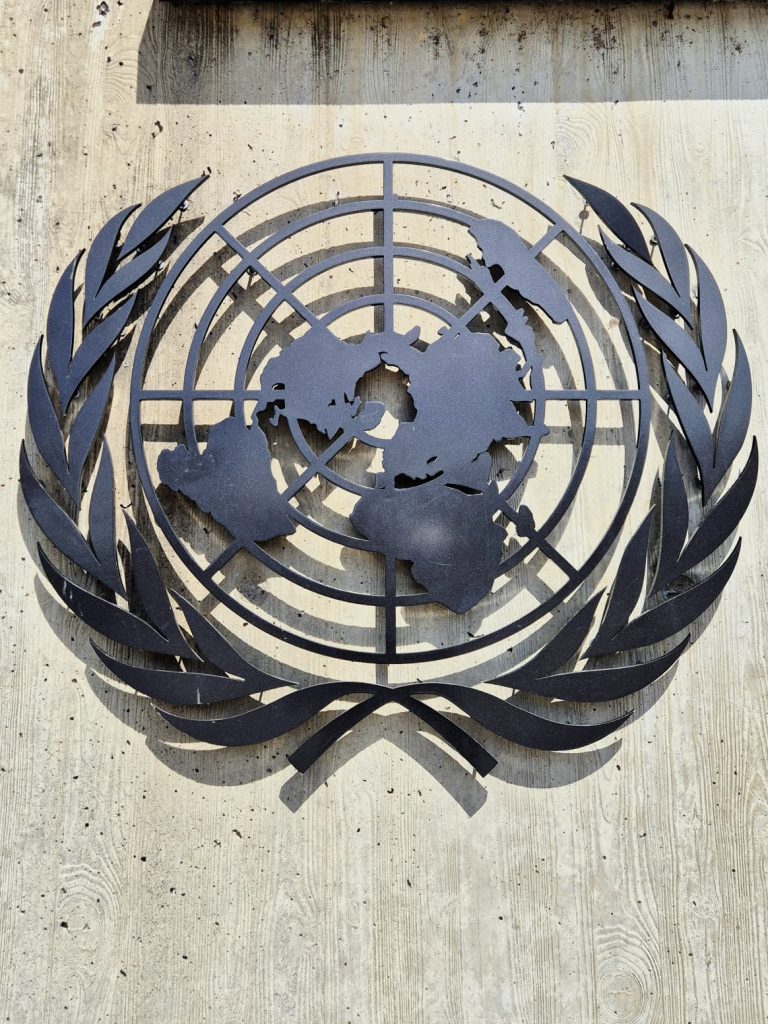
Geneva and the Multilateral Infrastructure of Peace
While global attention often focuses on New York, Geneva — in Switzerland — represents the operational heart of multilateral diplomacy.
The United Nations Office at Geneva hosts critical negotiations on human rights, disarmament and humanitarian coordination. Switzerland’s neutrality has allowed it to become a trusted platform for dialogue between actors that might otherwise lack direct channels of communication.
Yet even in Geneva, the limits of diplomacy are evident: dialogue exists, but consensus is increasingly difficult.
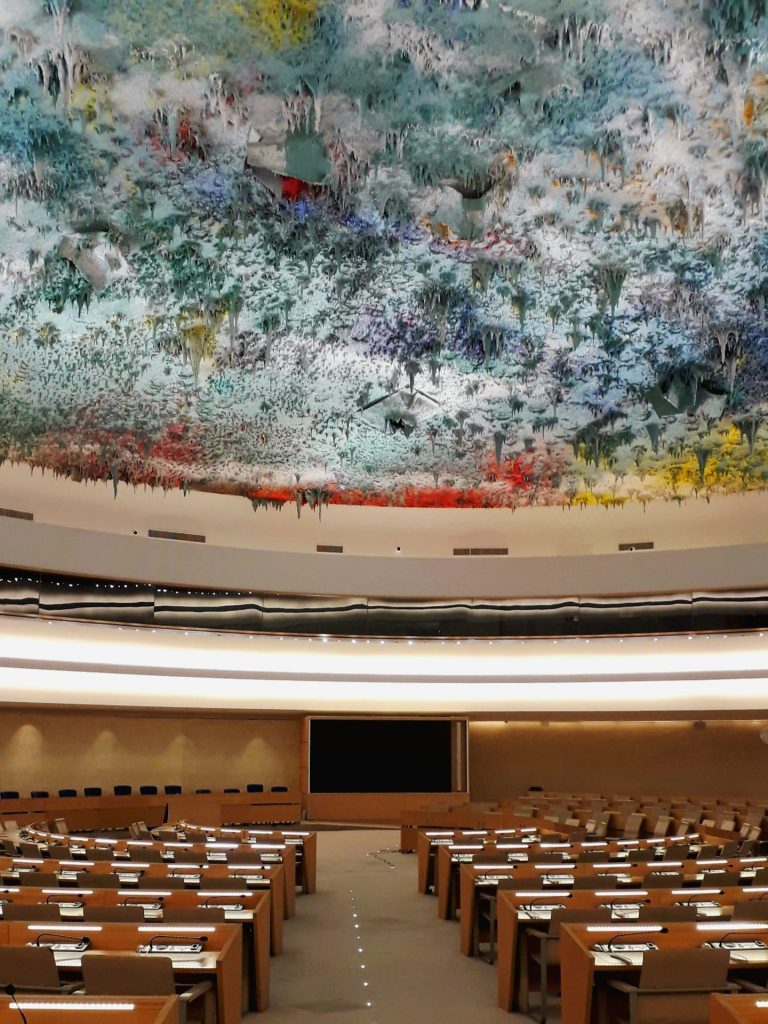
Human Rights: Normative Strength, Political Fragility
The adoption of the Universal Declaration of Human Rights established one of the most influential normative frameworks in modern history.
However, this system faces a fundamental contradiction:
states accused of human rights violations often participate directly in these bodies.
This undermines both credibility and enforcement, revealing the gap between normative ambition and political reality.
Security Council Paralysis and the Politics of Power
The structural limitations of the UN are most visible in the United Nations Security Council.
The veto power held by permanent members — United States, China, Russia, France and the United Kingdom — reflects the geopolitical order of 1945 rather than the realities of the 21st century.
As a result, the UN is frequently most effective in low-intensity conflicts or post-conflict stabilisation, rather than in preventing or resolving major geopolitical confrontations.

Peacekeeping: Between Symbolism and Effectiveness
UN peacekeeping operations remain one of its most visible tools.
They have contributed to stabilisation in multiple regions and have, in some cases, prevented escalation. However, they are often constrained by limited mandates, insufficient resources and political ambiguity.
Peacekeeping, in this sense, reflects a broader reality:
the UN can manage conflict, but rarely resolve its root causes.
An Institution Shaped by the System It Seeks to Regulate
The fundamental limitation of the United Nations lies in its nature.
It is not an independent actor, but a mirror of the international system. Its effectiveness depends on the willingness of states to cooperate — and that willingness is shaped by strategic interests, not institutional ideals.
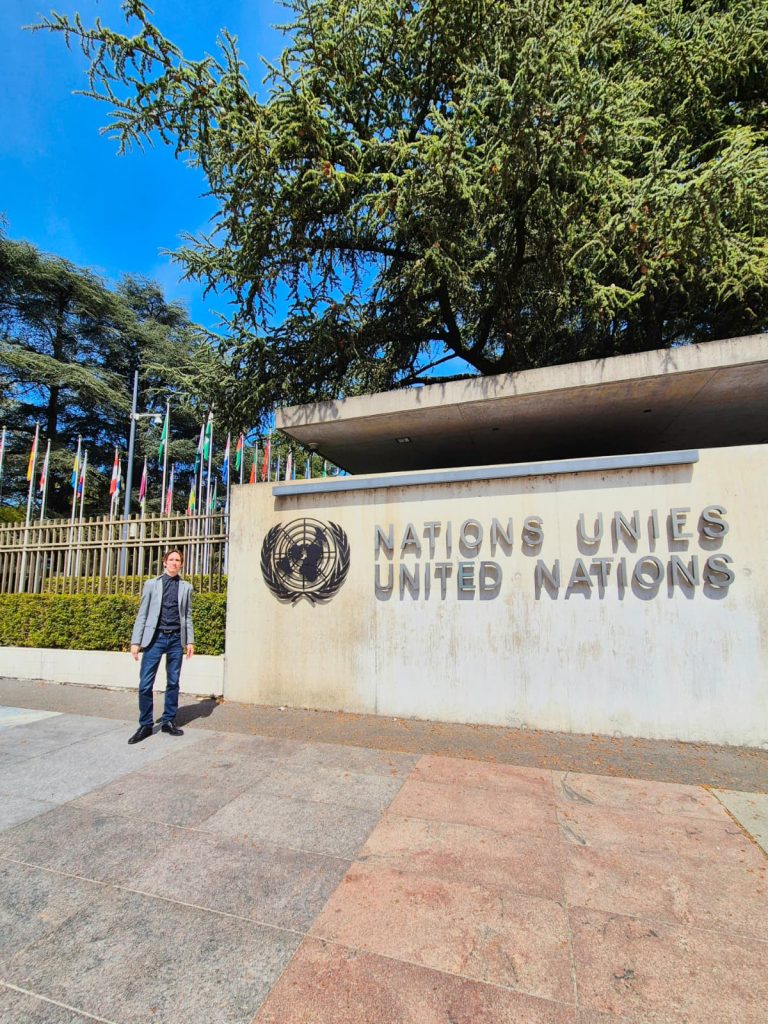
Conclusion: Necessary, Imperfect, Irreplaceable
Despite its limitations, the United Nations remains indispensable.
In a world marked by fragmentation, rising multipolarity and renewed geopolitical tension, the absence of such an institution would likely lead to greater instability.
The UN does not eliminate power politics — it structures it.
And perhaps that is its most realistic function:
not to create a world without conflict, but to ensure that conflict does not entirely replace dialogue.
References
- The United Nations: A Very Short Introduction – Jussi M. Hanhimäki
- An Introduction to International Relations – Richard Devetak et al.
- The Anarchical Society – Hedley Bull
- Soft Power: The Means to Success in World Politics – Joseph Nye
- UN Charter (Charter of the United Nations) – United Nations
AI Tools and Sources:
- GOOGLE Search
- Chat GPT
- Claude AI
- DeepSeek