
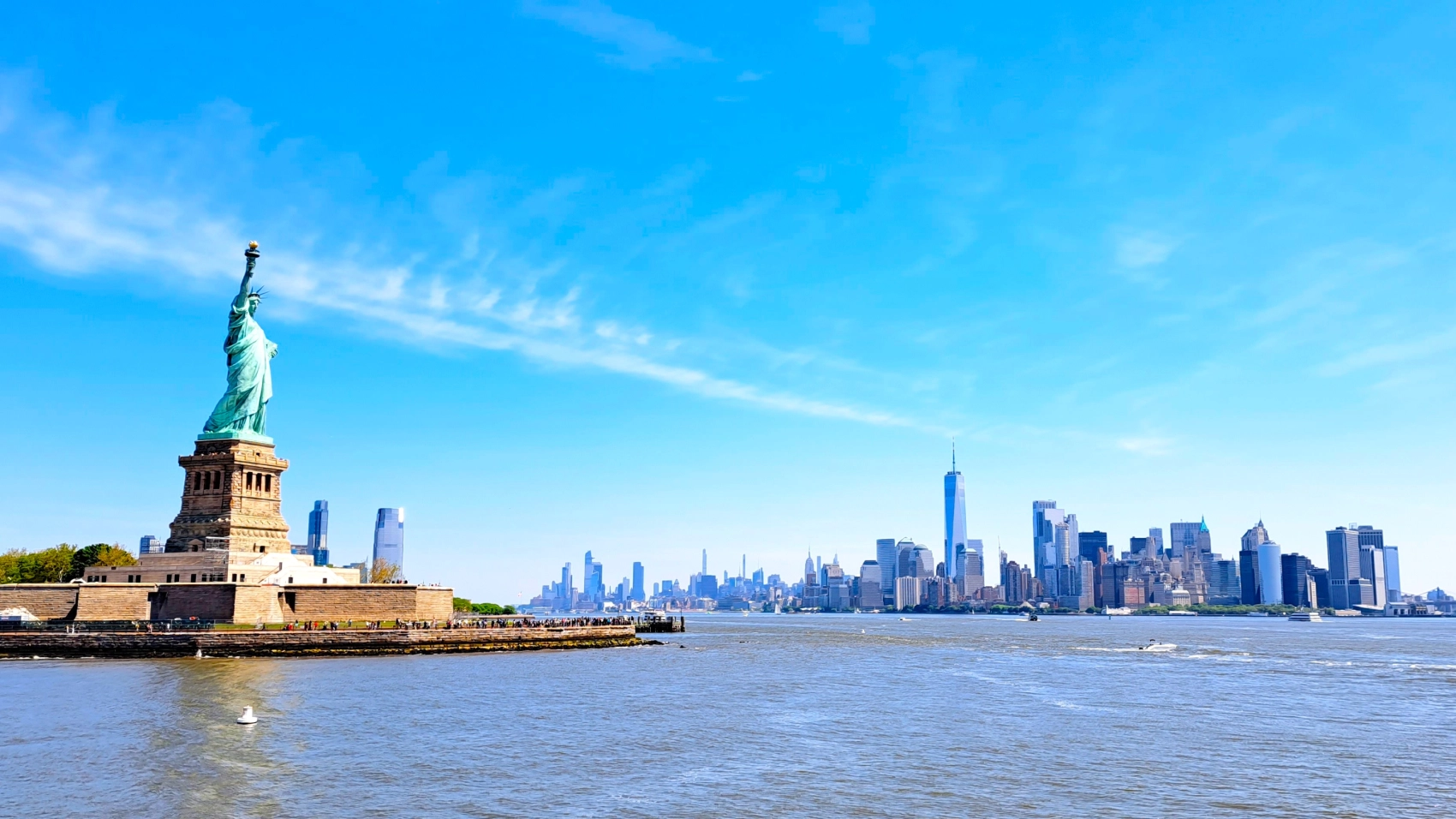
Migration has accompanied humanity since its origins. Long before modern borders, and even before cities and nations existed, human beings were already moving across territories driven by survival, curiosity, and the search for new opportunities. In the contemporary world, however, migration represents far more than a physical displacement from one place to another. It has become one of the most powerful forces shaping cultures, societies, and the ways people understand themselves and others.
Every migrant carries an invisible cultural heritage: a language learned in childhood, family traditions, culinary practices, beliefs, stories, and ways of interpreting the world. When individuals move across borders, these cultural elements travel with them, creating opportunities for dialogue and exchange with the communities they encounter.
Migration as a Cultural Bridge
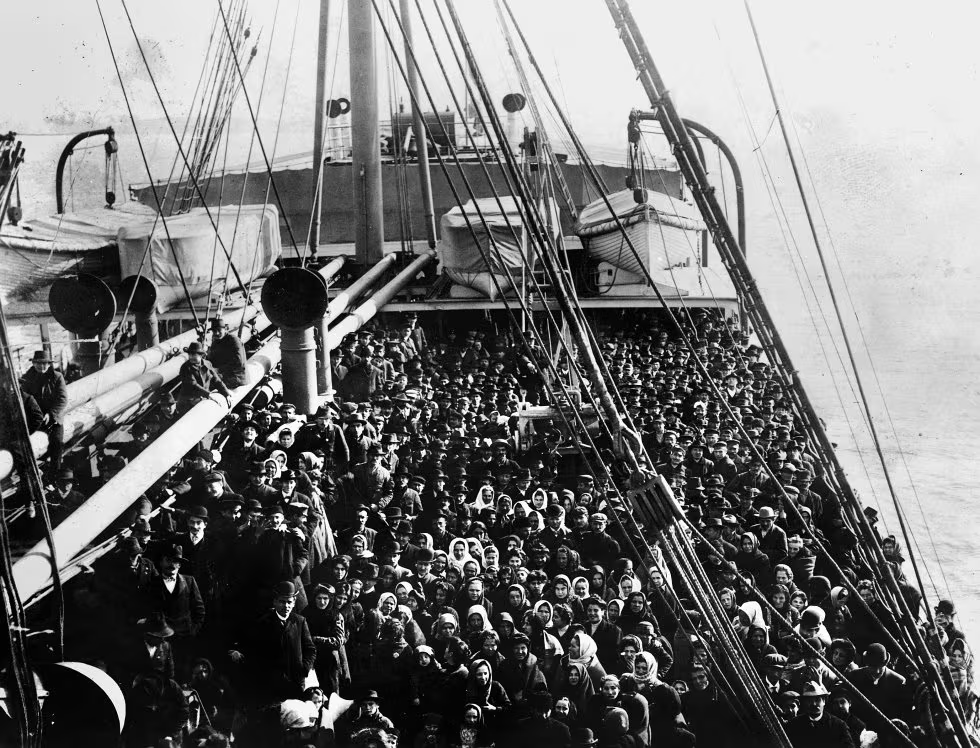
Migration has historically served as a bridge between civilizations. Throughout history, the movement of people has facilitated the circulation of knowledge, artistic expressions, technologies, and ideas that have contributed to human development. Many of the world’s most influential cultural achievements emerged through encounters between different peoples and traditions.
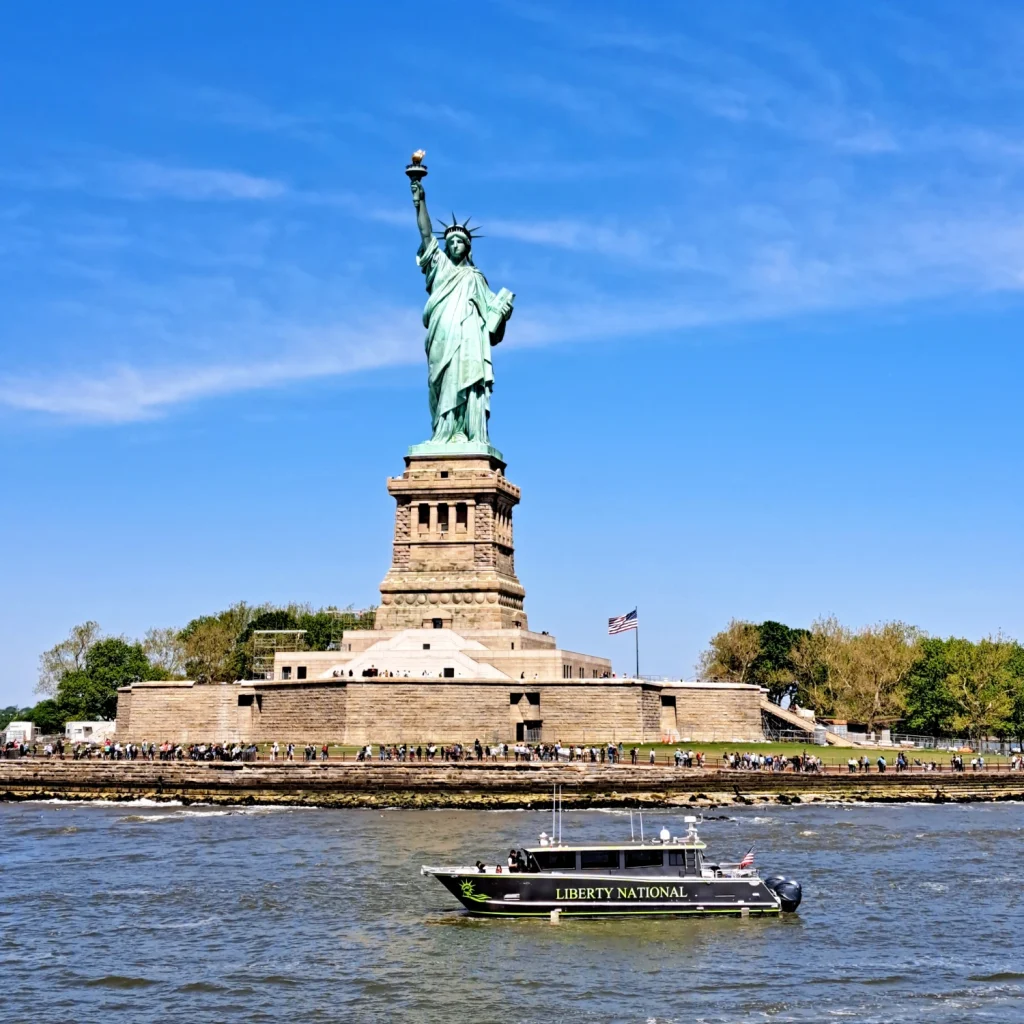
In contemporary global cities such as New York, cultural diversity forms part of everyday life. Languages, religions, artistic practices, and social customs coexist within shared spaces, creating dynamic environments where innovation and creativity flourish. Migration is not merely a demographic phenomenon; it is a cultural force that continually reshapes societies and expands collective horizons.
At the same time, migrants often face the challenge of balancing preservation and adaptation. Maintaining cultural roots while embracing new environments requires resilience and openness. This process can generate tensions, but it also creates opportunities for cultural enrichment and mutual understanding.
Cultural Transformation Through Human Mobility
Migration does not simply transfer culture from one place to another; it transforms culture itself. As communities interact, new forms of expression emerge. Music, literature, visual arts, cuisine, and social practices evolve through the blending of influences and experiences.
Artists, writers, and thinkers have frequently drawn inspiration from migratory experiences. Their works often explore themes of memory, belonging, displacement, and cultural encounter, revealing the richness and complexity of living between different worlds. Through creativity, migration becomes not only a personal journey but also a collective narrative that reflects the evolving nature of human societies.
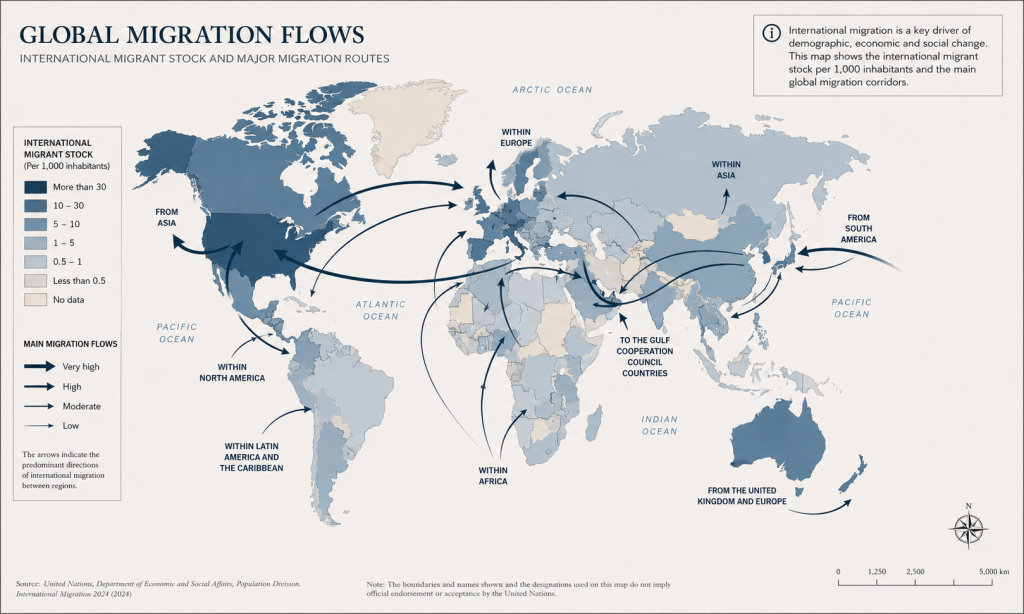
In an increasingly interconnected world, cultural exchange is becoming a defining characteristic of our time. Global challenges and opportunities require societies to embrace diversity and foster dialogue across cultural differences. Migration offers an opportunity to strengthen these connections and to recognize the value of plural perspectives in shaping a shared future.
International Conference in New York
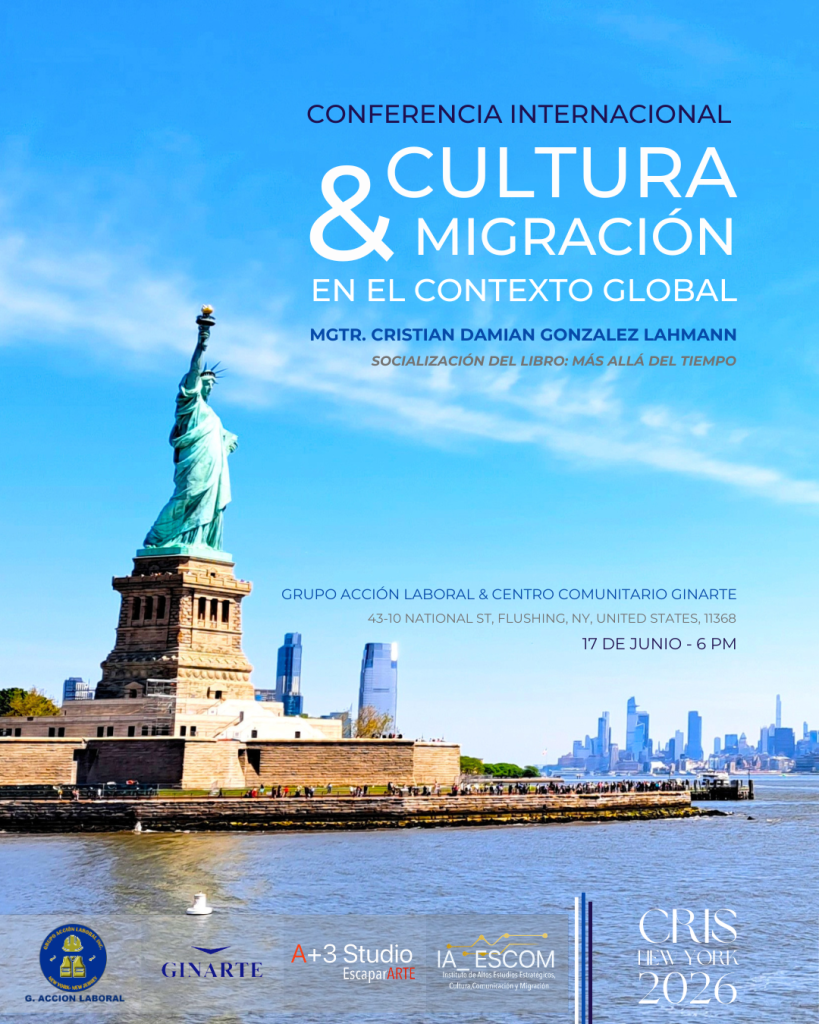
The international conference “Culture & Migration in the Global Context” will be held in New York on June 17, 2026, at the Labor Action Group and Ginarte Cultural Center. During the event, Cris’s book, “Beyond Time,” will be presented. This book offers a space for reflection on how migratory processes transform individual and collective identity in the contemporary world. Through dialogue between international migration, contemporary thought, and individual and collective identity, the conference seeks to delve into the challenges and opportunities arising from human displacement, as well as how migration redefines cultures and our sense of belonging, memory, and cultural creation in increasingly diverse and interconnected societies.
Conclusion
Migration reminds us that culture is not a fixed inheritance but a living and evolving process. Cultures grow through encounters, exchanges, and the continuous movement of people across borders. Rather than diminishing cultural identity, migration often enriches it, creating new possibilities for understanding and cooperation.
As societies become more interconnected, the ability to engage constructively with cultural diversity will become increasingly important. In this sense, migration is not only a story of movement; it is a story of human creativity, adaptation, and the enduring capacity of cultures to evolve while preserving the memory of their origins.
References
- Anderson, B. (1983). Imagined Communities: Reflections on the Origin and Spread of Nationalism. Verso.
- Appadurai, A. (1996). Modernity at Large: Cultural Dimensions of Globalization. University of Minnesota Press.
- Bhabha, H. K. (1994). The Location of Culture. Routledge.
- Demos, T. J. (2013). The Migrant Image: The Art and Politics of Documentary during Global Crisis. Duke University Press.
- United Nations. (2024). International Migration Report. United Nations Department of Economic and Social Affairs.
AI Tools and Sources:
- GOOGLE Search
- Chat GPT
- Claude AI
- DeepSeek