
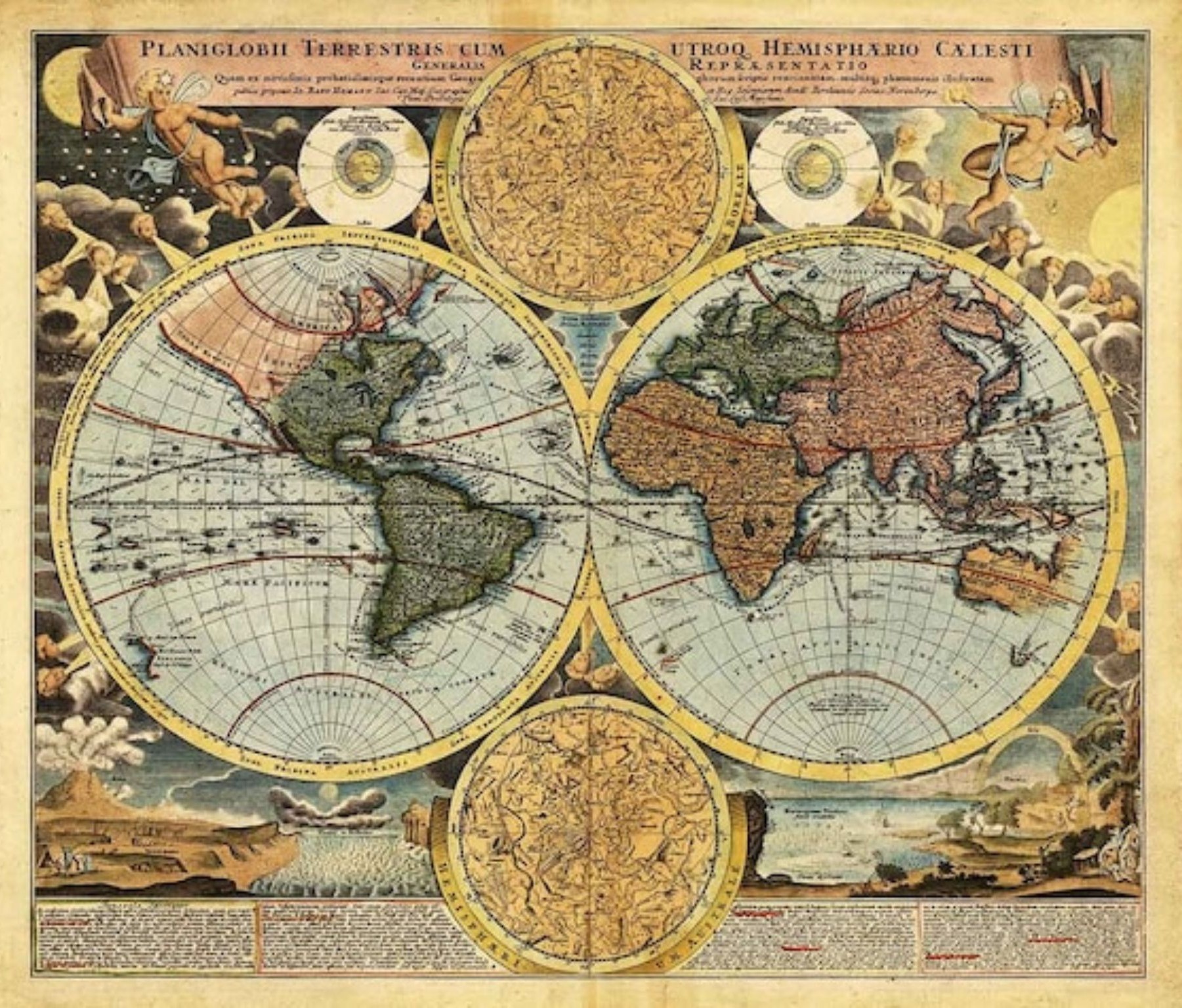
Europe is not only a political or geographic entity; it is a cultural architecture built over centuries through art, philosophy, religion, and institutional development. Western civilization, as we understand it today, is inseparable from Europe’s aesthetic production and its capacity to transform artistic expression into civilizational influence.
If power can be projected through armies and markets, it can also be projected through beauty, ideas, and symbols. In this sense, Europe has historically mastered the language of cultural power.
The Greco-Roman Aesthetic Foundation
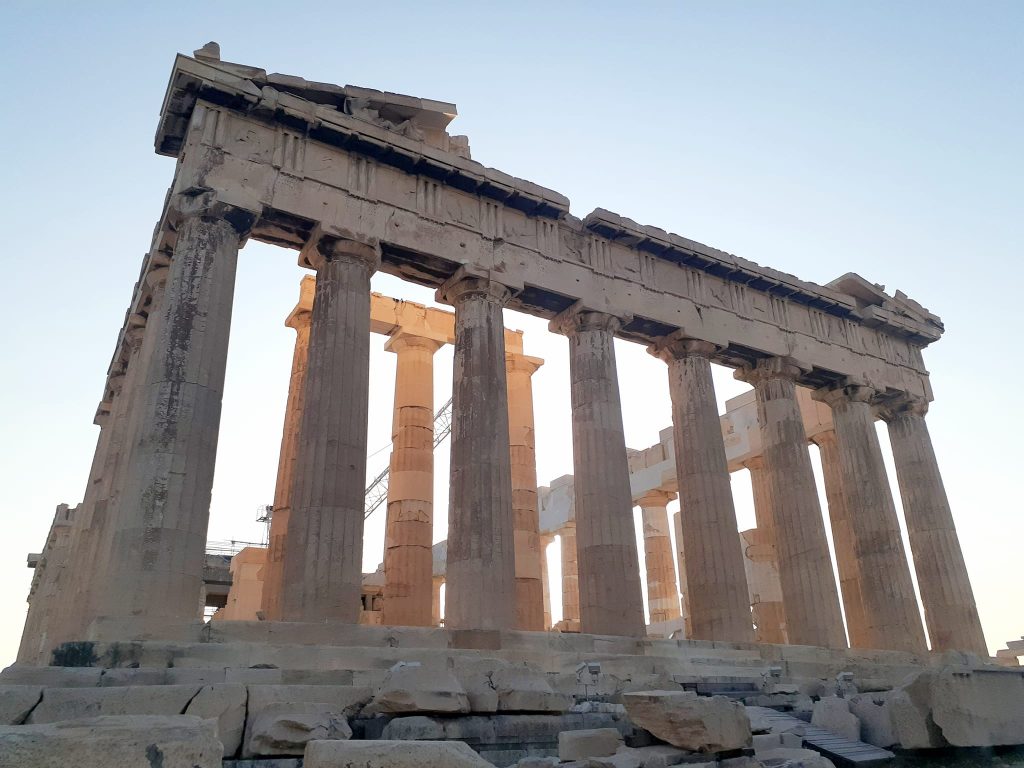
The roots of Western art and intellectual life lie in Ancient Greece and Ancient Rome. Greece established the philosophical and aesthetic canon: proportion, harmony, inquiry, and the celebration of the human form. Sculpture was not merely decorative; it expressed metaphysical ideas about balance and idealism.
The Anglo-Saxon sphere played a decisive role in the global projection of Western culture. From the institutional development of parliamentary governance in Britain to the worldwide dissemination of the English language, the Anglosphere amplified Europe’s cultural vocabulary beyond the continent. In the modern era, this transatlantic extension reinforced artistic markets, academic influence, and cultural diplomacy, consolidating a network that links European heritage with global creative leadership.
Rome transformed aesthetics into imperial symbolism. Architecture, urban planning, and monumental art became tools of political legitimacy. The empire understood something fundamental: culture reinforces authority. Law and infrastructure were paired with visual grandeur — a lesson that would echo throughout European history.
Christianity, Patronage, and the Sacred Image
With the rise of Christianity, Europe reoriented its visual language toward transcendence. Art became theological narrative. Cathedrals functioned as both spiritual centers and civilizational statements. The medieval period consolidated the role of patronage — monarchies, the Church, and aristocratic families financing artistic production as an expression of legitimacy and continuity.
This alliance between art and power would reach a new dimension during the Renaissance.
The Renaissance: The Birth of the Artist as Strategic Actor
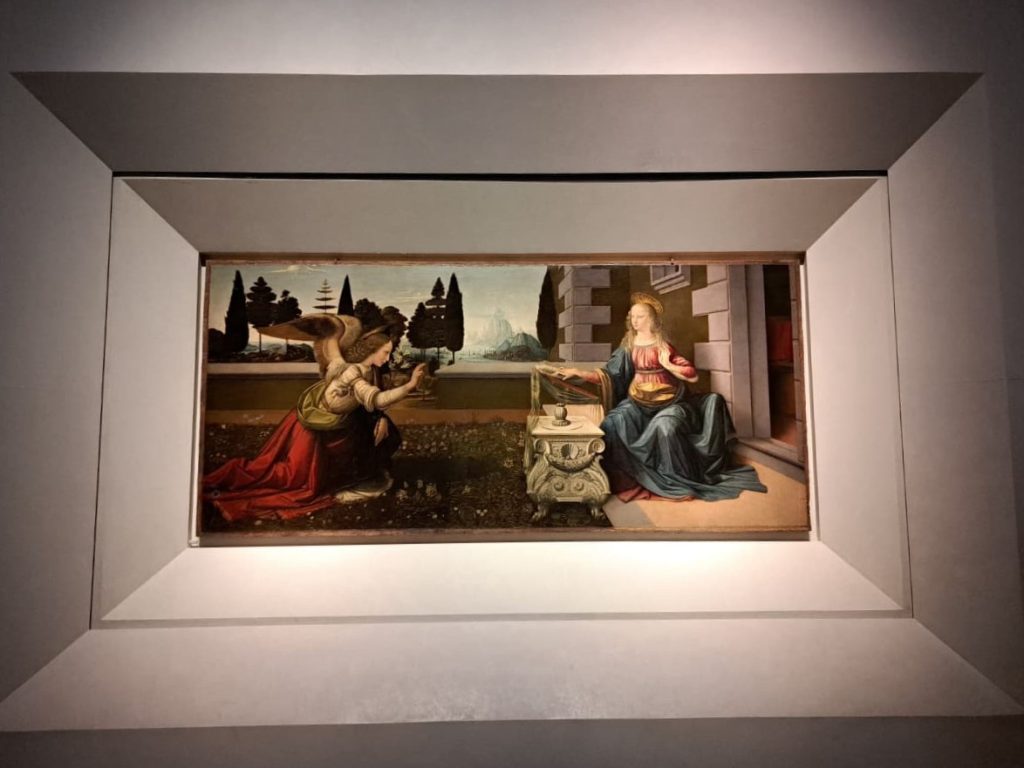
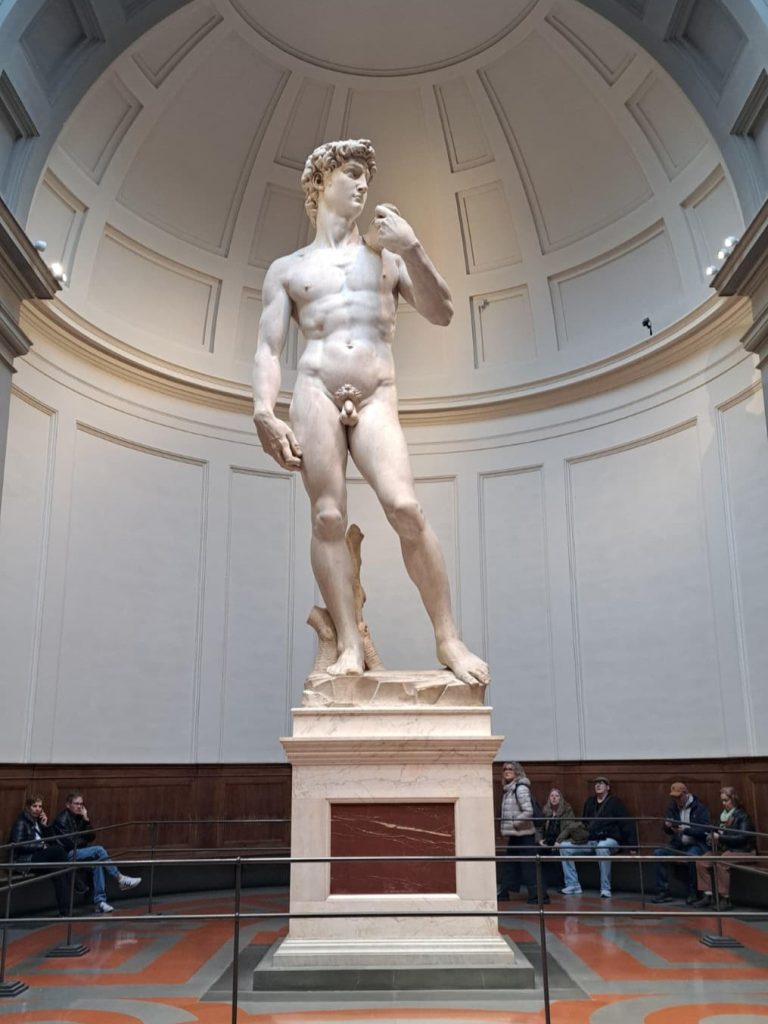
The Renaissance was not merely a revival of antiquity; it was the institutionalization of artistic prestige. Figures such as Leonardo da Vinci, Michelangelo, and Raphael redefined the status of the artist from artisan to intellectual authority.
Florence, Venice, and Rome understood that cultural leadership translated into political relevance. Patronage systems were strategic investments. Masterpieces became diplomatic instruments. Artistic innovation reinforced city-states’ positions within the European balance of power.
Humanism placed the individual at the center, but it also elevated Europe’s confidence in its own creative capacity — a psychological turning point that shaped Western identity for centuries.
Enlightenment to Modernity: Art and Ideological Identity
As Europe entered the Enlightenment and industrial age, art increasingly reflected political transformation. Romanticism, realism, impressionism, and the avant-garde were not isolated aesthetic movements; they were responses to revolution, urbanization, scientific progress, and shifting power structures.
Art became critique. Art became manifesto.
By the 19th and early 20th centuries, European capitals were not only political centers but also laboratories of aesthetic experimentation.
Contemporary Cultural Capitals and Global Influence
Today, cities such as Paris and London remain pillars of the global cultural system. Paris continues to embody intellectual refinement and avant-garde heritage, while London operates as a bridge between tradition, finance, and contemporary art markets.
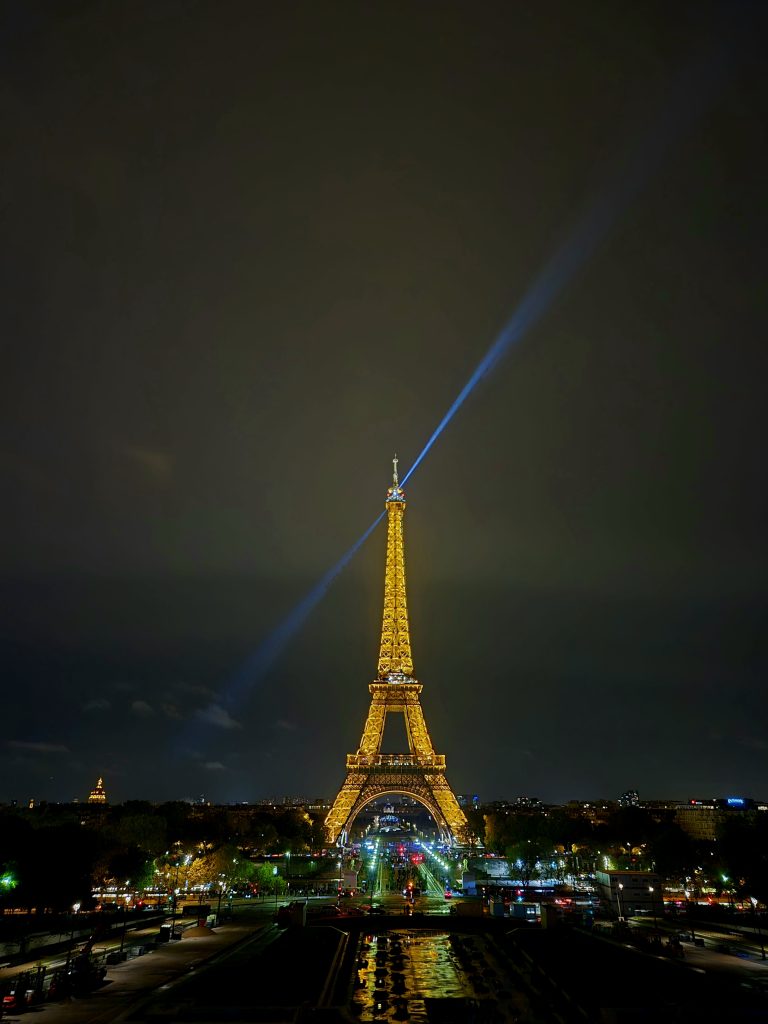
Other centers — Berlin, Rome, Madrid, and Zurich — contribute to a decentralized but interconnected ecosystem of museums, galleries, art fairs, foundations, and academic institutions.
Europe’s cultural influence no longer depends on territorial expansion but on narrative authority. Museums preserve civilizational memory. Biennials curate contemporary discourse. Auction houses influence global valuation. Cultural diplomacy reinforces political alliances.
In a multipolar world, Europe’s most enduring asset may not be military scale or demographic weight — but symbolic capital.
Art as Soft Power in a Multipolar Era
The concept of soft power — the ability to influence through attraction rather than coercion — finds one of its most sophisticated expressions in Europe’s artistic heritage. From classical sculpture to contemporary installations, European art has shaped global standards of beauty, critique, and intellectual legitimacy.
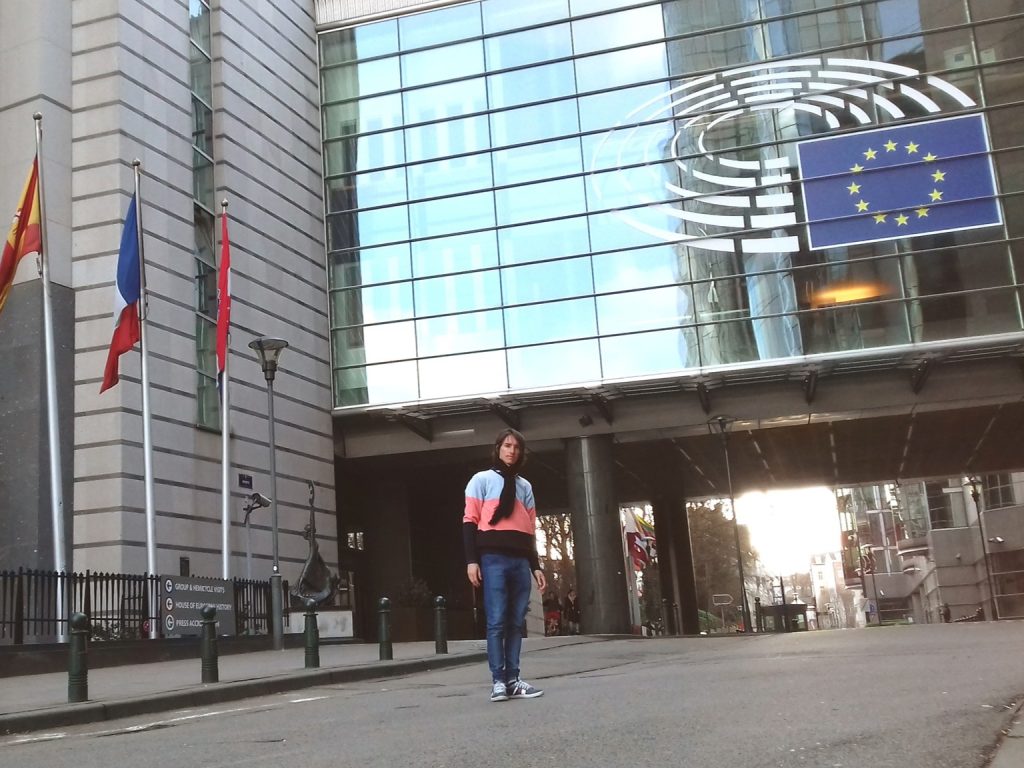
Even in the 21st century, artists trained in European academies, exhibited in Paris or London, or validated through European institutions continue to benefit from centuries of accumulated cultural credibility. This cultural projection is not only organic but also institutional: frameworks promoted by the European Union and cultural initiatives supported by the European Parliament in Brussels reinforce heritage preservation, cross-border artistic mobility, and international cultural diplomacy.
This is not merely nostalgia. It is structural influence.
Conclusion: Culture as Strategic Continuity
Europe’s historical trajectory demonstrates that art is never peripheral to power; it is integral to it. The Greco-Roman legacy provided the intellectual grammar. The Renaissance elevated artistic genius to strategic prominence. Modernity transformed culture into ideological debate. Contemporary Europe projects identity through institutions and markets.
And as history has shown repeatedly, civilizations that shape beauty often shape narratives — and those who shape narratives shape influence.
The evolution of European cultural identity cannot be separated from its artistic production, intellectual heritage, and institutional continuity. From classical philosophy to contemporary cultural diplomacy, Europe’s influence illustrates how aesthetic authority and symbolic capital remain central to global power structures.
References
- Augustine of Hippo – The City of God.
- Immanuel Kant – Perpetual Peace.
- Pierre Bourdieu – Distinction: A Social Critique of the Judgement of Taste.
- Walter Benjamin – The Work of Art in the Age of Mechanical Reproduction.
- Joseph Nye – Soft Power: The Means to Success in World Politics.
AI Tools and Sources:
- Chat GPT
- GOOGLE Search