
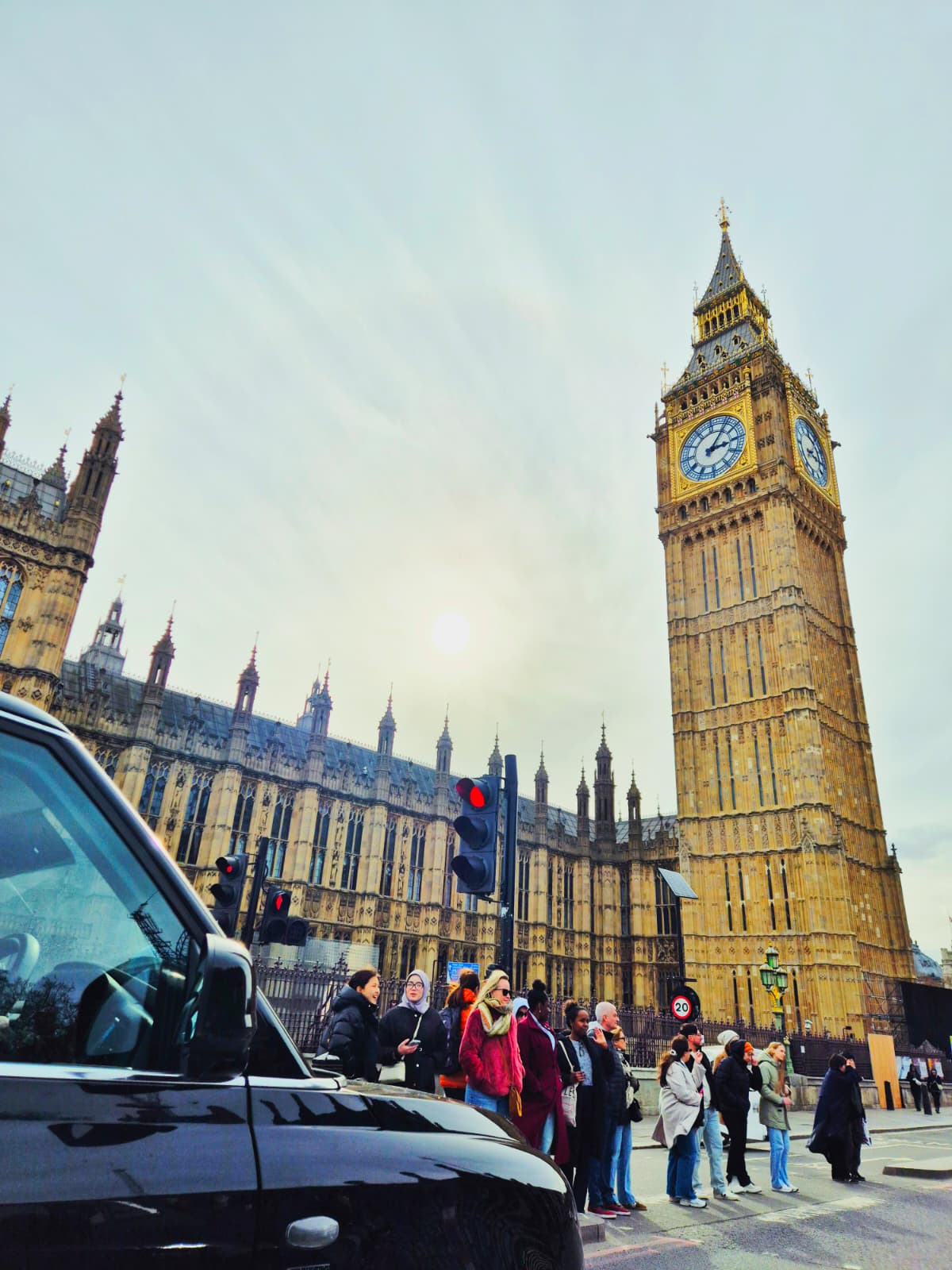
We are living in a historical moment defined not simply by change, but by acceleration. Technological innovation is transforming communication at an unprecedented pace. Geopolitical tensions are reshaping global dynamics. Economic systems fluctuate with increasing volatility. At the same time, societies are constantly re-evaluating their values, identities and narratives.
In the midst of this transformation, a fundamental question arises:
what is the role of culture today?
For centuries, culture has functioned as the space where societies interpret themselves. Art, literature, philosophy and journalism have not only reflected reality, but have also questioned it, structured it and, at times, anticipated it. Today, however, this role is evolving.
The Cultural Climate in the Age of Acceleration
Over the past two decades, several profound shifts have redefined the cultural landscape.
First, the digitalisation of culture. Never before has cultural production been so abundant or so accessible. Yet this abundance brings a paradox: the more content exists, the more difficult it becomes to establish shared cultural references.
Second, technological acceleration. Digital platforms, social media and artificial intelligence are not only changing how culture is consumed, but also how it is created.
Third, a broader context of global uncertainty — geopolitical instability, economic fragility and a growing sense that we are moving through a period of historical transition.
This invites a larger reflection:
are we witnessing a transformation comparable to previous turning points in history
Globalisation: Exchange and Fragmentation
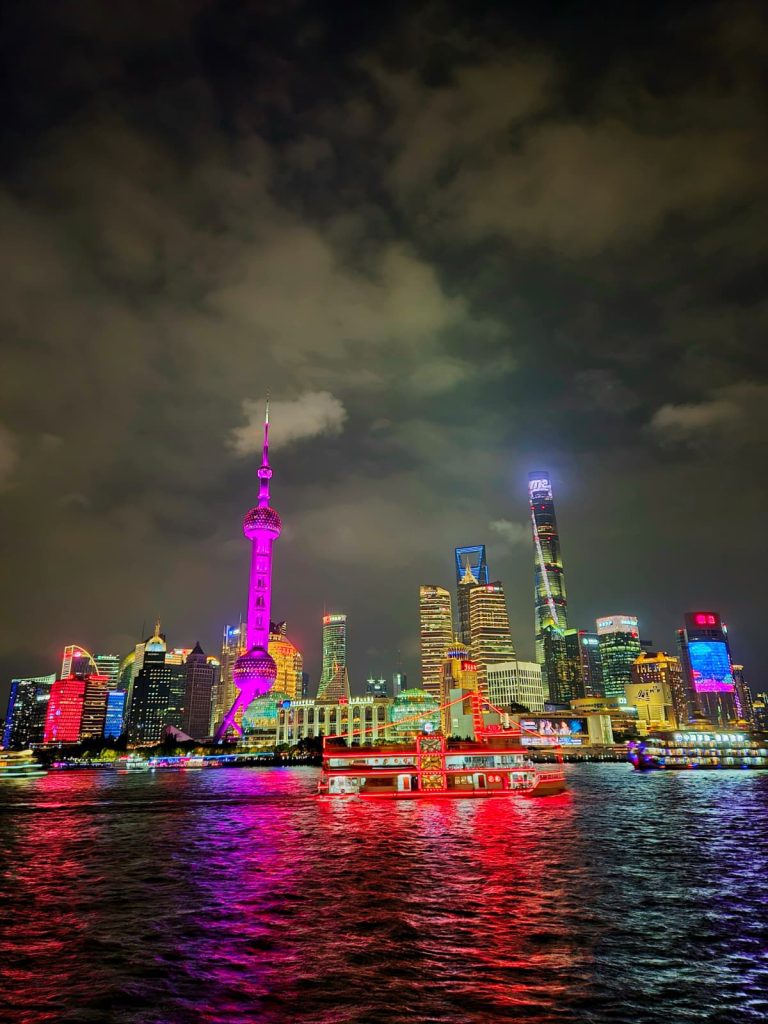
Globalisation has undoubtedly expanded cultural exchange. Ideas, artistic movements and influences now circulate globally with remarkable speed. Yet, at the same time, fragmentation has intensified. Digital ecosystems often generate closed communities, reinforcing existing perspectives rather than encouraging dialogue across differences. As a result, we inhabit a paradoxical reality: never before have we been so connected, and yet so divided in terms of shared cultural narratives.
This raises a key challenge:
how do we sustain meaningful cultural dialogue in a world of multiple, parallel conversations?
Media, Information and Cultural Authority
The structures that once mediated cultural discourse have undergone a profound transformation. For much of the twentieth century, newspapers, journals, universities and cultural institutions played a central role in shaping public understanding. Critics and journalists acted as interpreters between artistic production and society.
Today, algorithms and digital platforms increasingly determine visibility. This shift does not eliminate the importance of cultural journalism — on the contrary, it reinforces it. In a saturated information environment, the ability to interpret, contextualise and critically engage with culture becomes essential.

Geopolitics and Cultural Production
Culture has never existed in isolation from political and economic forces. It is also a form of soft power — a means through which nations project identity, values and influence. Cultural institutions often become spaces of diplomacy and dialogue, particularly in the evolving relationships between East and West, where regions such as China, the United States, Europe and the Middle East navigate complex dynamics of cooperation, competition and mutual influence.
Yet culture also retains a unique capacity: it can transcend political boundaries. Artistic expression often circulates freely even in contexts of geopolitical tension, maintaining channels of human connection where other forms of communication may fail.

The Artist in the Age of Technology
The relationship between technology and artistic creation is one of the defining questions of our time. Artificial intelligence, immersive media and digital platforms are expanding creative possibilities in unprecedented ways. At the same time, they raise fundamental questions about authorship, originality and the nature of creativity itself.
History suggests that technological innovation does not diminish artistic expression, but transforms it. Photography did not eliminate painting; it expanded its possibilities. Cinema did not replace literature; it introduced new narrative forms. Similarly, contemporary technologies may be inviting us not to abandon creativity, but to redefine it.

Fragmentation or New Cultural Dialogues?
Are we witnessing the fragmentation of culture, or the emergence of new forms of dialogue? The answer may be both.
While traditional shared narratives appear to be weakening, new voices and perspectives are gaining visibility. Cultural production is becoming more plural, more diverse, and in many ways more representative of a global society.
The role of cultural institutions, therefore, may no longer be to impose a single narrative, but to create spaces where different narratives can meet and interact.

Towards a New Cultural Cycle
Throughout history, moments of crisis have often preceded periods of cultural renewal.
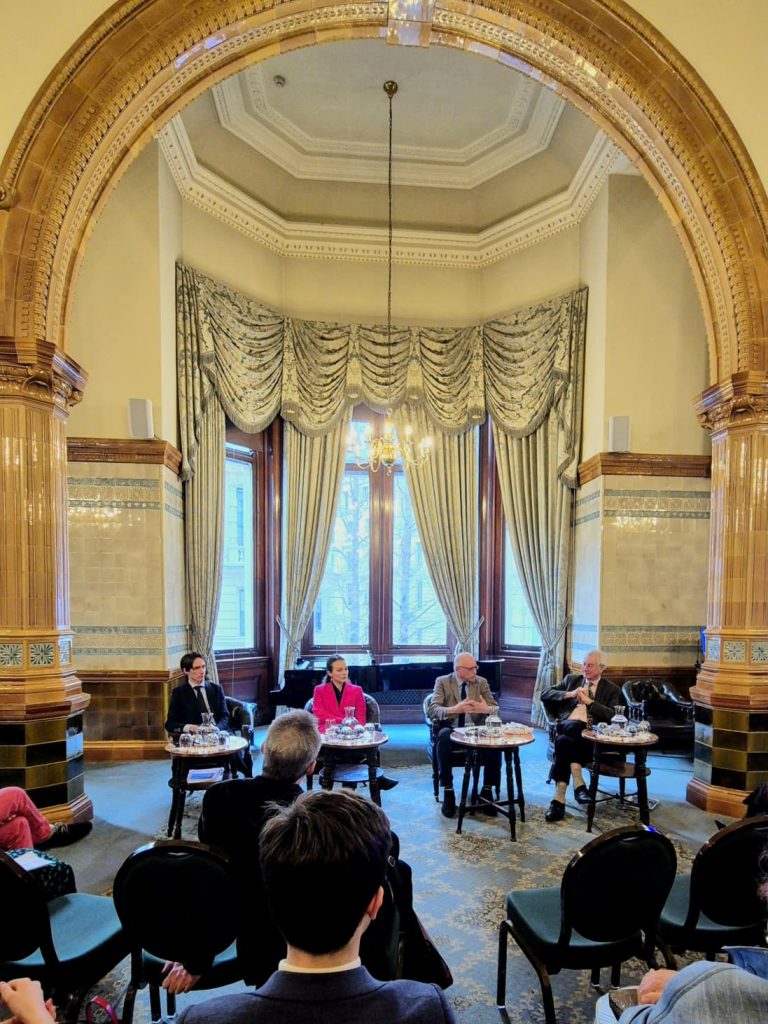
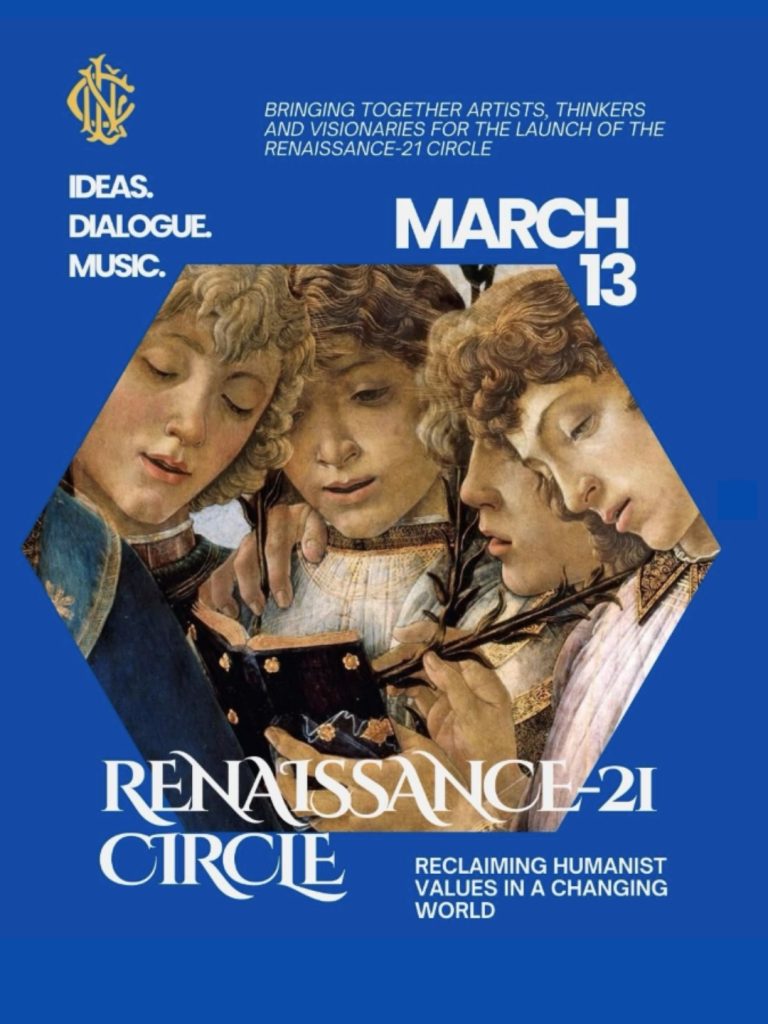
In this context, I recently had the opportunity to take part in the official launch of Renaissance 21, in London, United Kingdom, a cultural initiative created by Viktoria Pakhomova and Teodor Dore, which explores the possibility of a new phase of artistic, intellectual and cultural development in the twenty-first century. Their proposal invites us to reflect on how creativity, knowledge and human expression might evolve in a world shaped by technological transformation and global interconnection.
Whether or not we define it in these terms, it is clear that we are living through a period of transition.
The question is not whether culture will change — it already is.
The real question is how we choose to engage with that transformation.
Cultural Responsibility Today
Culture shapes how societies understand themselves and imagine their future.
For this reason, artists, writers, composers, musicians, journalists and institutions carry a certain responsibility. Not necessarily to provide answers, but to foster reflection.
Culture can reflect reality.
It can challenge it.
And, at times, it can help guide it.
In periods of uncertainty, this role becomes even more significant.
Because culture is not only something we inherit.
It is something we actively create — together, through dialogue, through exchange, and through the spaces that bring ideas to life.
References
- Zygmunt Bauman – Liquid Modernity
- Manuel Castells – The Rise of the Network Society
- Joseph Nye – Soft Power: The Means to Success in World Politics
- Marshall McLuhan – Understanding Media: The Extensions of Man
- Yuval Noah Harari – Homo Deus: A Brief History of Tomorrow
AI Tools and Sources:
- Chat GPT
- GOOGLE Search