
The early decades of the twenty-first century have been characterized by rapid global transformation and increasing uncertainty. Political, economic, and technological changes have reshaped international relations, while long-standing assumptions about stability and cooperation have been challenged. Within this evolving context, the concepts of war and peace remain central to understanding the dynamics that define the current global order and the prospects for a more secure and cooperative future.
1. Geopolitics and the Contemporary Global context of conflict
The contemporary international system is marked by profound instability and transformation. While globalization and technological advancement have increased economic and cultural interdependence, they have also intensified geopolitical rivalries and exposed structural vulnerabilities within the global order. Current international relations are increasingly shaped by power competition, strategic uncertainty, and the erosion of the stability frameworks established after the Second World War.
Historical revisionism pursued by major military powers regarding territories and spheres of influence continues to shape diplomatic relations among the world’s most powerful states. The United States, China, and Russia stand out as decisive actors in this landscape. Territories such as Greenland, Donbas, and Taiwan remain highly sensitive and strategically significant, representing potential geopolitical flashpoints. While these regions are vulnerable, local defensive capacities, international alliances, and global conflict-prevention mechanisms—including nuclear deterrence and multilateral diplomacy—introduce important constraints on escalation, illustrating the complexity of modern strategic environments (Allison, 2025; Freedman, 2024).

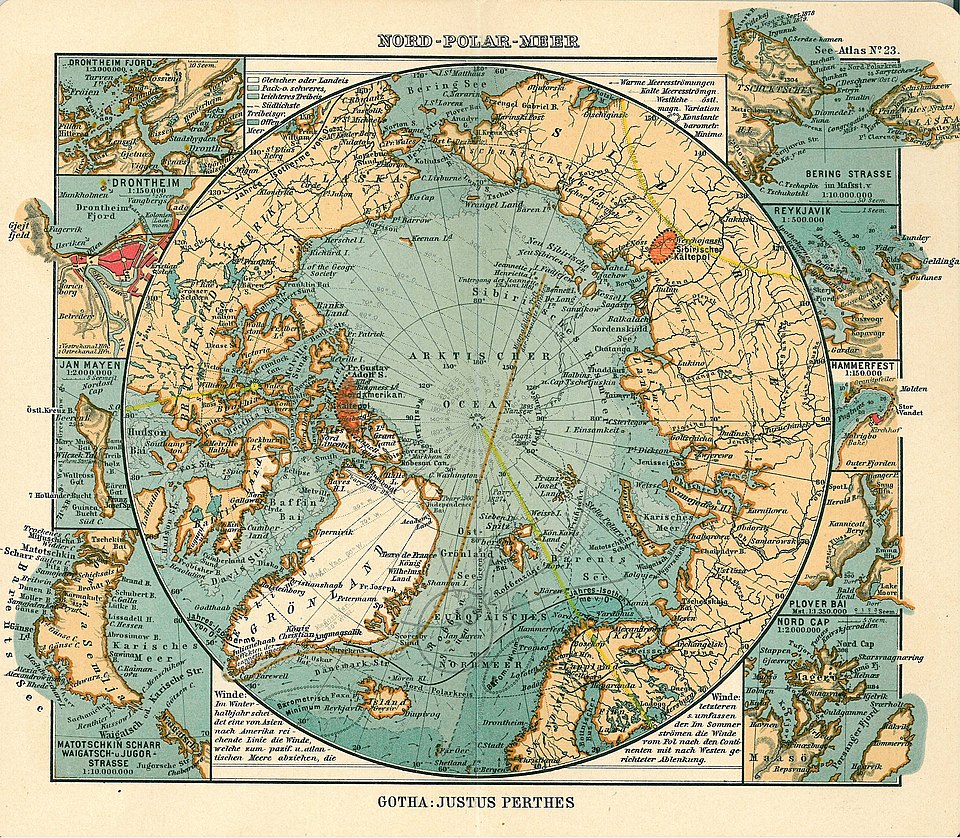
Beyond traditional geopolitical challenges, the Arctic has emerged as a key strategic space in the competition among major powers. Accelerated ice melt and the opening of new maritime routes—such as the Northern Sea Route—have intensified the interest of the United States, Russia, China, and European allies, not only because of vast energy and mineral resources, but also due to the region’s growing geostrategic value for controlling commercial flows and advanced military capabilities. In this “High North,” the expansion of naval presence, the consolidation of Arctic states within NATO, and the deepening cooperation between Moscow and Beijing illustrate how ambitions related to access, security, and power projection are reshaping the global balance of power, turning the Arctic into a new focal point of rivalry and selective multilateral cooperation in the contemporary era (Council on Foreign Relations, 2023).
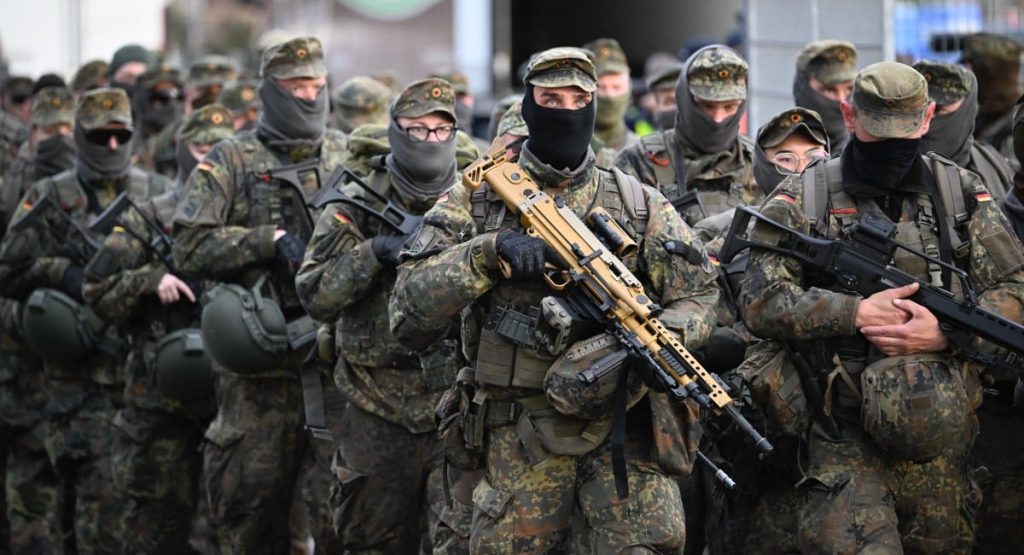
This growing rivalry also feeds a renewed arms race, as major powers expand nuclear, conventional, and advanced technological capabilities. Investments in missile defense, hypersonic weapons, and cyberwarfare signal a strategic environment where military modernization increasingly shapes global power dynamics.
In addition, conflicts in parts of Africa and the Middle East demonstrate how modern warfare involves a mix of state and non-state actors, hybrid tactics, and long-term humanitarian consequences, with effects extending beyond local borders to global markets, energy security, migration, and international relations.
2. Challenges to Global Peace and Multilateral Governance
The persistence and proliferation of armed conflicts reflect a broader decline in global peace. Modern wars are rarely short or contained; instead, they involve prolonged violence, civilian casualties, and widespread displacement, placing enormous pressure on international peacekeeping and humanitarian institutions (United Nations, 2025).

Multilateral governance mechanisms face growing limitations. Political polarization, competing national interests, and weakened international consensus have constrained the effectiveness of collective responses. Despite these challenges, diplomacy, international law, and respect for human rights remain essential for conflict mitigation and the maintenance of international stability.
3. The Decline of Global Peace and the Challenge to Multilateralism
The persistence and proliferation of armed conflicts reflect a broader decline in global peace. Modern wars are rarely short or contained; instead, they are characterized by prolonged violence, civilian casualties, and widespread displacement. This situation places enormous pressure on international institutions tasked with conflict prevention, peacekeeping, and humanitarian assistance.
At the same time, multilateral mechanisms designed to maintain international peace face growing challenges. Political polarization, weakened international consensus, and competing national interests have limited the effectiveness of collective responses. Nevertheless, diplomacy, international law, and respect for human rights remain essential tools for mitigating conflict and preventing further destabilization.

4. Peace as a Strategic and Moral Imperative
Peace in the modern world must be understood not only as the absence of armed conflict, but as the presence of justice, dialogue, and sustainable cooperation. Achieving lasting peace requires addressing the underlying causes of conflict, including economic inequality, geopolitical rivalry, and the fragmentation of international alliances. Without these efforts, the risk of recurring and escalating crises remains high.

Fabrice Coffrini/AFP via Getty Images – ABC NEWS
On January 21, 2026, the authors participated in the 10th Edition of the Basel Peace Forum, organized by the Swiss Peace Foundation and held in Basel, Switzerland, a platform for dialogue and reflection on threats to global peace, including militarization, hate speech, and emerging societal risks. Concurrently, in Davos, during the World Economic Forum, major global leaders shaped the international agenda with statements that, while influencing policy, also contributed to broader global instability. Within this environment, proposals such as the Boards of Peace advanced by former U.S. President Donald Trump exemplify attempts to explore alternative mechanisms for conflict management, reflecting both the search for new diplomatic frameworks and the deep divisions surrounding contemporary approaches to peace and security (Trump, 2020).
Conclusion
The current global situation highlights a delicate balance between war and peace within an increasingly complex international system. Conflicts continue to threaten human security and global stability, yet peace remains an essential objective for sustainable development. Addressing this challenge requires a multi-layered strategy: strengthening diplomatic engagement, revitalizing multilateral institutions, supporting local and regional security capacities, and promoting a culture of dialogue and justice. The responsibility for achieving these goals lies not only with governments and international organizations, but also with civil society and future generations committed to fostering a cooperative and resilient global order.

References
- Allison, G. (2025). Destined for Conflict: How U.S., China, and Russia Navigate Strategic Rivalry. London: Routledge.
- Freedman, L. (2024). Modern Warfare and Hybrid Threats. New York: Oxford University Press.
- Trump, D. J. (2020). Boards of Peace Proposal. Washington, D.C.: White House Archives.
- United Nations. (2025). Annual Report on Global Peace and Security. New York: United Nations Publications.
- https://es.wikipedia.org/wiki/Archivo:Arctic_Ocean.jpg#/media/Archivo:Arctic_Ocean.jpg – Public Domain Maps.
- Council on Foreign Relations (2023). “The Changing Geopolitics of the Arctic”: https://www.cfr.org/report/changing-geopolitics-arctic-0)
- Trump rules out using military force to acquire Greenland in Davos speech. ABC
- https://jaliscotv.com/alemania-carrera-armamentista-amenaza-rusa/ – Photo by Tobias SCHWARZ / AFP
- BBC NEWS – Getty Images
AI Tools and Sources:
- Chat GPT
- GOOGLE Search
- Swiss Info
- 20 Minuten